Privacy & Social · October 6, 2026
What to Do When Your Business Phone Number Is Labeled as Spam
A practical guide to confirming a spam label, finding its likely cause, correcting business number records, and rebuilding customer trust without trying to evade call protections.
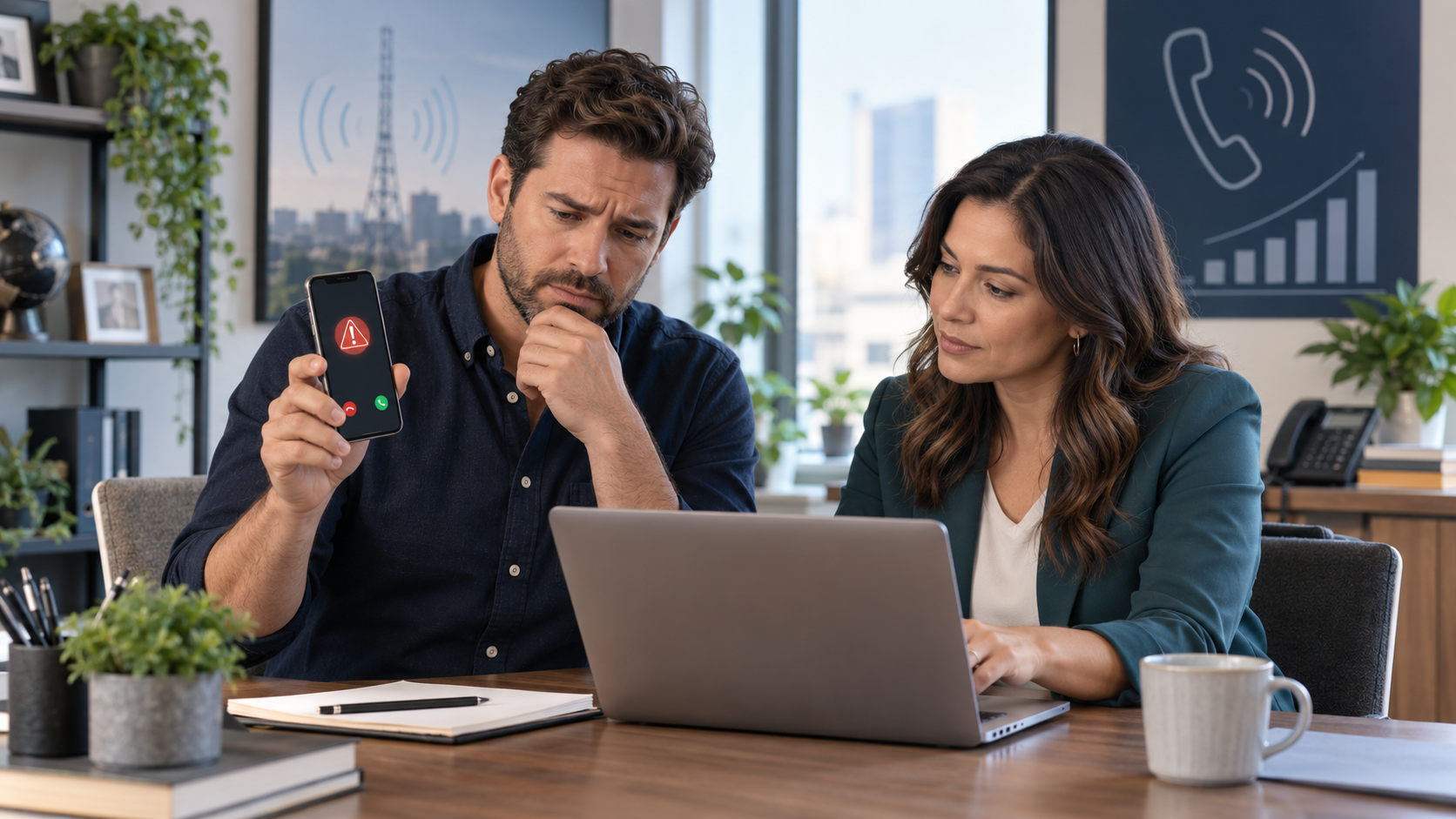
First, confirm where the label appears because different carriers, phones, and call-protection services may show different results. Save screenshots, dates, affected numbers, and the receiving carrier or device. Then review your calling practices and phone-provider setup, verify that your business controls the number, register accurate business information with the relevant official services, and use their correction or dispute channels. A registration or dispute can help, but no service can guarantee removal across every network.
A spam warning does not automatically mean that your company broke a law, that every customer sees the same label, or that your phone account was hacked. Call-protection systems use information from carriers, analytics providers, calling patterns, registrations, and user feedback. Hiya explains that its label does not represent every network, and a newly activated number may have little reputation history. The first job is to define the problem accurately.
Legitimate calls can still look suspicious when a number suddenly makes many calls, repeatedly reaches people who did not expect contact, has very short calls, or is connected to complaints. A recycled number may also carry old history. Spoofing is a separate possibility: a scammer can falsify the caller ID so calls appear to come from your number. If customers describe calls your business never made, investigate spoofing as well as labeling.
Phone reputation is partly operational and partly public-facing. Correcting a record without correcting unwanted calling practices may provide only temporary relief. Telemarketing, consent, do-not-call, prerecorded-message, and calling-time rules vary by location and type of call. This guide is general education, not legal advice. Ask qualified counsel to review a campaign when the rules or customer permission are uncertain.
A practical step-by-step approach
01Confirm the exact label and where it appears
Ask a small group of consenting customers or staff on different carriers and devices to check an incoming call. Record the displayed number, wording, carrier, phone model, call-protection app, date, time, and whether the call rang or was blocked. Do not place a large test campaign. One screenshot from one phone proves only that particular experience.
02Compare the warning with your real call records
Review recent outbound volume, answer rates, call length, repeated attempts, campaign start dates, agents, vendors, and customer complaints. Confirm that every calling system uses numbers your business owns or is authorized to use. Look for activity outside normal hours or patterns your team cannot explain. Contact the provider promptly if logs suggest unauthorized use or account access.
03Pause any calling practice that may be causing complaints
Stop campaigns that lack a clear business purpose or reliable permission while they are reviewed. Reduce repeated attempts, honor opt-outs, identify the business promptly, and call only people who reasonably expect the contact. Do not rotate to fresh numbers to escape a warning. That can confuse customers, hide the underlying problem, and create more negative signals.
04Ask your voice provider to check the technical setup
Give the provider the affected number, examples, dates, carriers, and campaign details. Ask it to confirm caller-ID configuration, number ownership, routing, and the level of call authentication it applies. STIR/SHAKEN authentication can help carriers assess whether caller ID was authorized, but it does not by itself prove a call is wanted or guarantee that a spam label will disappear.
05Register accurate information with official services
For eligible U.S. business numbers, Free Caller Registry provides a centralized submission to First Orion, Hiya, and Transaction Network Services. The business must submit valid information for numbers it uses on its own behalf and for lawful calls. Hiya also offers business number registration. Use the exact legal or public-facing name, website, contact information, call purpose, and number ownership. Registration is a trust signal, not a guaranteed correction.
06Use the correction or dispute path for each provider
Follow the instructions in the provider's current portal or support page and keep confirmation numbers. Explain what the business does, who it calls, how recipients give permission or expect contact, what changed, and what operational fixes were made. Submit only information you can verify. Because different networks may use different data, one favorable decision may not change every phone display.
07Tell customers how to verify important calls
If missed calls could affect appointments, deliveries, account security, or service, add a short notice to the official website, confirmation emails, or customer portal. State the numbers the business uses, the reason it may call, and a safe callback method. Never ask customers to ignore all phone warnings. Encourage them to use the published website number when uncertain.
08Monitor the number after corrections
Retest on a limited basis, watch complaints and answer patterns, and review vendors regularly. Keep registration details current when numbers, providers, names, or call purposes change. The FCC accepts unwanted-call complaints, including an option concerning a person's own number being spoofed, blocked, or labeled as potential spam. The FCC uses complaint information for enforcement and policy work but does not resolve every individual complaint.
Information to gather
A clear record makes it easier to choose the right channel, communicate accurately, and avoid unnecessary repetition. Start with:
- Affected business number, exact warning, screenshots, date, time, carrier, device, and app
- Outbound call logs, vendors, campaigns, volume changes, call duration, complaints, and opt-outs
- Proof that the company owns or is authorized to use the number
- Voice-provider ticket, caller-ID configuration, routing, and authentication review
- Registration and dispute submissions, confirmation numbers, decisions, and follow-up dates
- Customer verification notice, official callback number, and one internal response owner
What not to do
Pressure can lead to decisions that create a second reputation problem. Avoid:
- Buying or rotating through new numbers to get around spam warnings
- Asking employees or customers to submit false positive reports about the number
- Continuing high-volume outreach while consent, lists, or vendors are under review
- Claiming that call authentication or number registration guarantees a clean label
- Sharing customer phone numbers, complaint details, or account records publicly
- Treating every spam label as proof of spoofing, hacking, or unlawful conduct
Frequently asked questions
Why is a legitimate business phone number labeled as spam?
A label can reflect calling patterns, complaints, incomplete or inconsistent business records, a new or recycled number, provider data, or possible spoofing. Different carriers and call-protection services may reach different conclusions. Confirm the exact display and review both your own call records and your provider's setup before deciding on a cause.
Will registering the number remove the spam label?
Registration can help analytics providers connect a number with a verified business and lawful call purpose, but it does not guarantee removal or prevent future labels. Free Caller Registry expressly says registration is not a guarantee. Calling practices, customer feedback, carrier decisions, number history, and other third parties still affect the outcome.
Should a business change its phone number after it is marked as spam?
Usually not as a first step. A new number can disrupt customers, lose established recognition, and develop the same problem if the underlying cause continues. Document the label, review practices, work with the voice provider, register accurate information, and use official dispute channels first. Change a number only for a sound operational or security reason.
Does STIR/SHAKEN stop a business number from being labeled as spam?
No. Call authentication helps carriers evaluate whether the caller ID was authorized, which is useful against spoofing. It does not prove that recipients wanted the call and does not control every analytics or carrier label. Ask the voice provider to confirm authentication while also reviewing consent, call patterns, identity records, and complaints.
Can a reputation agency guarantee removal of a spam label?
No. A responsible agency can help document the issue, organize provider and registry submissions, review public-facing business information, create customer verification messaging, and monitor results. Decisions and timing depend on call records, business practices, carriers, analytics providers, device makers, users, laws, and other third parties.
Primary resources
Policies and features can change. Review the current source before submitting a request:
- FCC Consumer Complaints: Unwanted Calls and Texts
- Free Caller Registry: Business Number Registration
- Hiya: Caller Reputation and Spam Label Help
- Hiya: Introduction to Number Registration
- TNS: Branding and Call Authentication