Privacy & Social · October 26, 2026
What to Do When a Negative Nextdoor Post Mentions Your Business
A calm, practical guide to preserving a neighborhood post, checking the facts, responding through an authorized account, and reporting only genuine guideline issues.
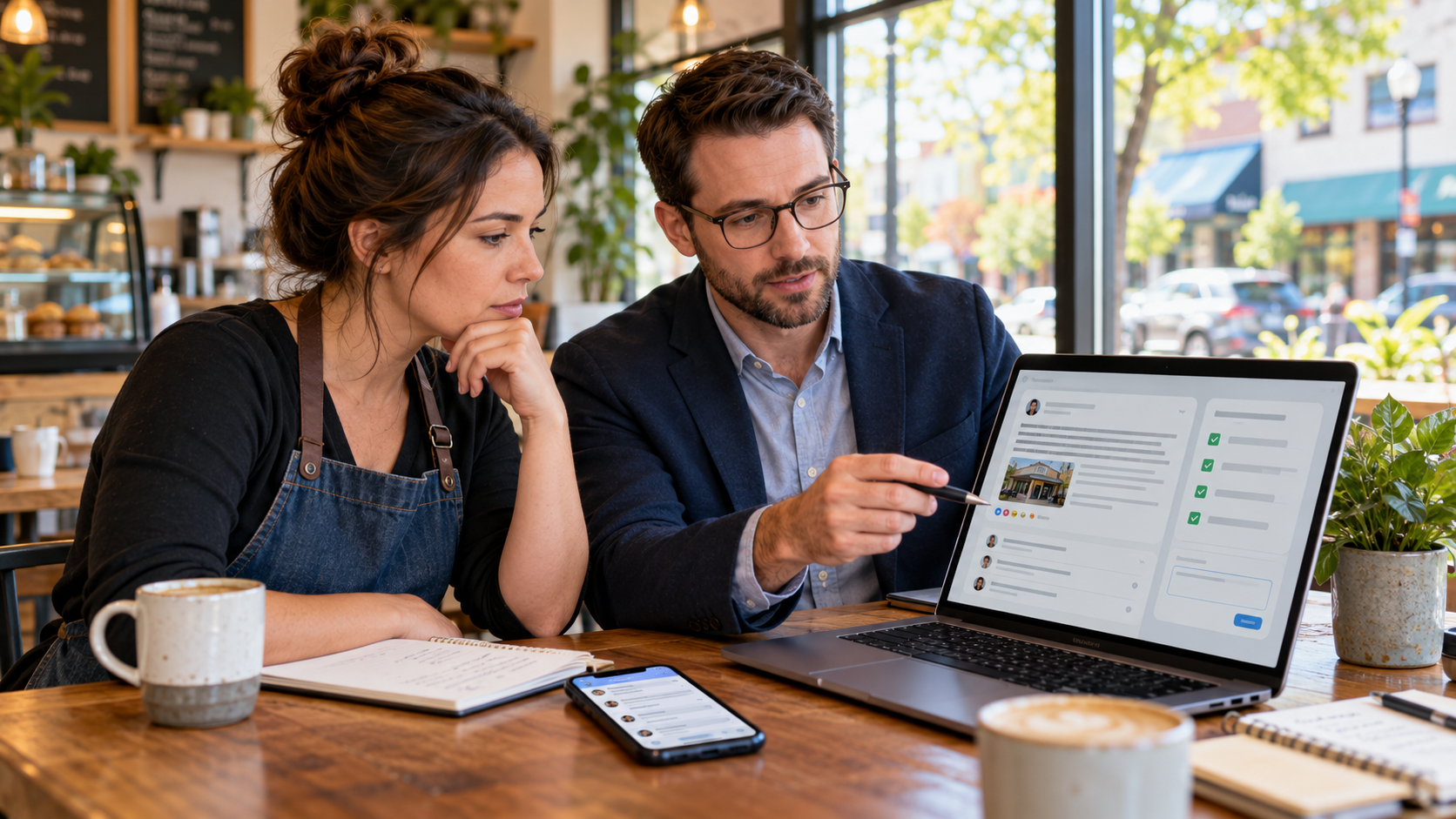
When a negative Nextdoor post mentions your business, preserve the complete post and relevant replies, confirm what happened, and decide whether a response would help neighbors understand the issue. Use an authorized Business Page or a clearly identified representative when the platform permits a reply. Keep the message brief, acknowledge the concern, correct only facts you can support, and offer one private contact method. Report content only when a specific Nextdoor Community Guideline may apply; criticism or an unfavorable opinion is not automatically a violation. Do not use a fake neighbor account, expose customer information, organize a pile-on, or ask people to mass-report the post. Nextdoor, the author, and neighborhood moderators control visibility and removal, so no result can be guaranteed.
Nextdoor conversations can affect plumbers, restaurants, contractors, clinics, stores, property services, and other businesses that depend on nearby customers. A post may be a general neighborhood discussion, a direct mention, a recommendation, or a comment connected to a Business Page. Identify the exact content type and audience before choosing a response.
A negative post may describe a real customer experience, an opinion, an identity mix-up, incomplete information, or a factual claim the business disputes. Those are not interchangeable. Nextdoor's Community Guidelines and reporting choices govern whether the platform may act; disagreement alone does not give a business the power to delete someone else's post.
This article provides general operational information, not legal advice. Defamation, privacy, employment, health, consumer-protection, and recording laws vary. Consult qualified counsel when a post presents serious false factual allegations, confidential information, threats, regulatory risk, or a credible safety concern.
A practical step-by-step approach
01Preserve the complete post and its context
Save the post URL when available, full screenshots, author name as displayed, date, neighborhood or audience information visible to you, attached images, edits, and important replies. Capture the full statement rather than a cropped sentence. Record who discovered it and whether customers are contacting the business. Keep evidence in a restricted file and do not repost private neighborhood content publicly.
02Separate the content into useful categories
List each checkable claim and distinguish personal opinion, confirmed fact, factual error, unresolved allegation, service complaint, identity confusion, private information, threat, harassment, spam, or possible impersonation. A sharp opinion may remain permitted even when the business believes it is unfair. Match any platform report to the narrowest current guideline instead of labeling all criticism false.
03Investigate the underlying customer experience
Review authorized orders, appointments, messages, refunds, service records, staff notes, and policies. Search reasonable name or address variations without trying to identify an anonymous neighbor through deception. Mark what the company can verify and what it cannot. Fix an active safety, billing, scheduling, or service problem before debating wording online. Keep customer and employee records out of public replies.
04Claim and update the correct Business Page
Nextdoor says an owner, employee, or authorized representative can claim a Business Page. Confirm that the page represents the right business and location, then make the name, contact details, website, hours, photos, and description accurate. Nextdoor notes that business information can originate from public data or member activity. A clear official page gives neighbors a reliable contact path but does not erase independent posts.
05Decide whether a public reply will help
Respond when a concise message can reduce confusion, answer a practical community question, or show that the business is addressing a genuine problem. Monitoring may be safer when the post has little reach, the facts are still uncertain, or a reply would expose private information. If you cannot access neighborhood-limited content legitimately, do not create a deceptive account or ask someone to evade audience controls for you.
06Write for the neighbors who may read later
Identify your connection to the business. Thank the person for raising the concern, acknowledge the impact without admitting unsupported claims, state one verified fact or corrective action, and offer a monitored phone number or email. Keep it short and neutral. Do not accuse the author of lying, repeat the most damaging allegation, threaten legal action, discuss a private transaction, or argue with every commenter.
07Report only a genuine guideline concern
Review Nextdoor's current Community Guidelines and the reporting reasons shown in the product. Report the specific post or reply when the available category truthfully fits, and explain the issue with the direct content and minimum necessary evidence. Do not organize employees, friends, or customers to flood the reporting system. Submit one complete support request when account or business-page help is needed; repeated cases can slow resolution.
08Resolve, document, and monitor the neighborhood impact
Follow through privately when the customer is identifiable and willing to engage. Update a website notice or business-page information if many neighbors need the same answer. Monitor the original conversation, direct messages, recommendations, calls, and branded searches at reasonable intervals. Record the platform decision, final response, service change, and review date, then stop replying once the useful facts and contact path are clear.
Information to gather
A clear record makes it easier to choose the right channel, communicate accurately, and avoid unnecessary repetition. Start with:
- Post URL, full screenshots, visible audience, dates, author name as displayed, media, and key replies
- Claim-by-claim classification, authorized records checked, confirmed facts, and unresolved points
- Correct Business Page, authorized manager, current contact details, website, hours, and photos
- Approved public response, disclosed affiliation, privacy review, and monitored private contact
- Exact Community Guideline or reporting reason, submission confirmation, and platform decision
- Customer follow-through, operational correction, monitoring owner, and case closure date
What not to do
Pressure can lead to decisions that create a second reputation problem. Avoid:
- Using a fake neighbor profile or misrepresenting where you live or your connection to the business
- Posting customer, employee, payment, medical, address, account, or other private information
- Sending employees, friends, or loyal customers to attack, drown out, or mass-report the author
- Offering rewards for supportive posts, writing recommendations for customers, or asking only happy people
- Threatening the author or publicly accusing them of fraud, extortion, or defamation without reliable support
- Promising that Nextdoor or a neighborhood moderator will remove the post or limit its reach
Frequently asked questions
Can a business delete a negative Nextdoor post?
No. A business cannot directly delete a post written by someone else. The author may edit or remove it, and Nextdoor may act when content violates its current Community Guidelines. Neighborhood moderators may have limited roles depending on the content and product. Submit a truthful, specific report when a real rule may apply; negative sentiment alone is not enough.
Should I respond to a negative post about my business?
Respond when a short, factual message will help neighbors understand the next step or see that the business is listening. Disclose your connection, protect private information, and move detailed resolution to a monitored private channel. If the facts are unclear or the conversation is fading, investigate and monitor before adding attention.
Does claiming a Nextdoor Business Page let me control neighborhood posts?
No. Claiming the correct page can help the business maintain accurate contact information, receive messages, publish available business updates, and respond to recommendations or comments where the product allows. It does not give the business ownership of independent member conversations or guarantee that critical content will be removed.
What if the Nextdoor post includes false facts or private information?
Preserve the exact language and context, compare factual claims with reliable evidence, and review the current reporting reason that fits. Limit further exposure of private information. Serious defamation, privacy, safety, or regulatory questions require advice from qualified counsel. Use one focused platform report and avoid public accusations or repeated mass reporting.
Can a reputation agency guarantee removal of a Nextdoor post?
No. A responsible agency can preserve the content, investigate claims, protect privacy, claim and improve the official Business Page, prepare a calm response, organize a guideline-based report, and monitor results. The author, Nextdoor, moderators, evidence, applicable law, search engines, and other third parties control visibility, decisions, and timing.
Primary resources
Policies and features can change. Review the current source before submitting a request:
- Nextdoor: Community Guidelines
- Nextdoor Help: Reasons for Reporting Content
- Nextdoor Business: Create or Claim a Business Page
- Nextdoor Business: Guide to Recommendations and Responses
- Nextdoor Business: Tips for Responding to Negative Reviews
- FTC: Consumer Reviews and Testimonials Rule