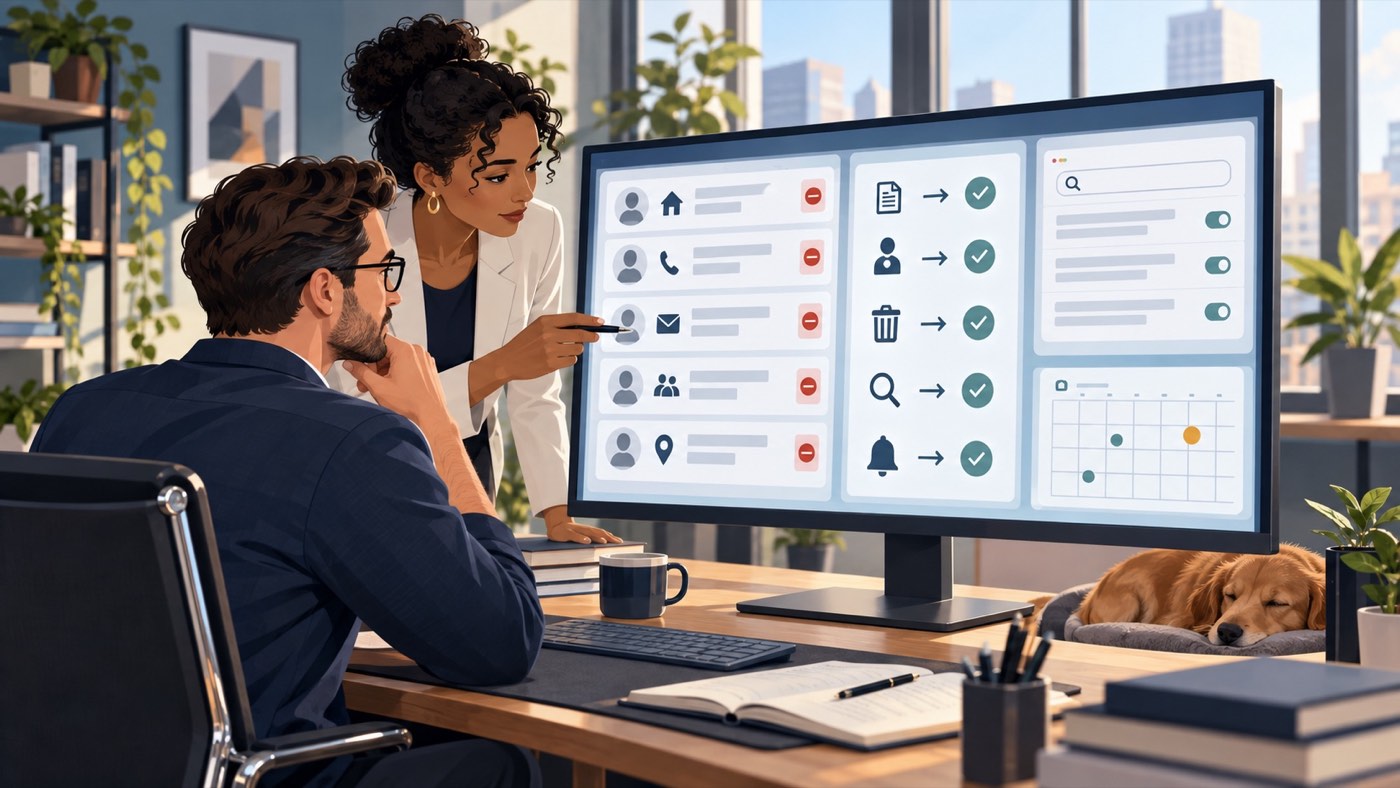
Healthcare reputation work must protect patient information while addressing legitimate service concerns. A public review is not permission for a clinic to disclose records, confirm treatment or argue about clinical details. Use a privacy-reviewed response process and keep professional credentials and service information accurate. Applicable duties depend on the provider, jurisdiction and information involved.
01
Keep clinical information out of public replies
Give the reviewer an appropriate private contact route without confirming whether the person is a patient. Do not quote appointment history, diagnoses, payment disputes or records to win a public argument. In the United States, HIPAA applies to specified covered entities and protects relevant health information; Mexican providers must assess their own privacy and healthcare obligations.
02
Route concerns to the right team
Separate a scheduling complaint from an allegation requiring clinical or compliance review. The person writing social responses should not need unrestricted access to medical records. Establish who can investigate privately, what can be recorded in the marketing system and when legal or professional advice is needed. Train staff on this boundary before an angry review arrives.
- Use a secure, appropriate channel for patient-specific follow-up.
- Keep promotional claims separate from individual clinical assessment.
- Verify licenses, specialties and locations before publishing them.
03
Improve the service information people use
For example, repeated complaints about unclear appointment preparation may justify reviewing general instructions and reminder messages. Make the instructions easier to understand without discussing any reviewer’s condition. If a review appears to violate a platform policy, document that issue without unnecessarily submitting confidential records. Measure process improvements and recurring themes rather than treating removal as the only acceptable outcome.
Frequently asked questions
Can we say that the reviewer was never a patient?
That response can create privacy and accuracy concerns. Use a neutral invitation to contact the appropriate team and let a qualified reviewer assess any proposed patient-related statement.
May we publish a patient success story?
Only after the necessary permissions and applicable professional, privacy and advertising requirements have been assessed. Do not imply that an individual outcome is guaranteed for others.
Continue with your next step
Related guides on this topic
Sources and policies
Check the current policy before submitting a request.
You do not have to figure out the next step alone.
Share the URLs and explain your concern. We will review the context and explain which options are worth assessing.
Request a confidential reviewOr call (307) 429-2531Educational information, not legal advice. Outcomes depend on the facts and decisions made by third parties.