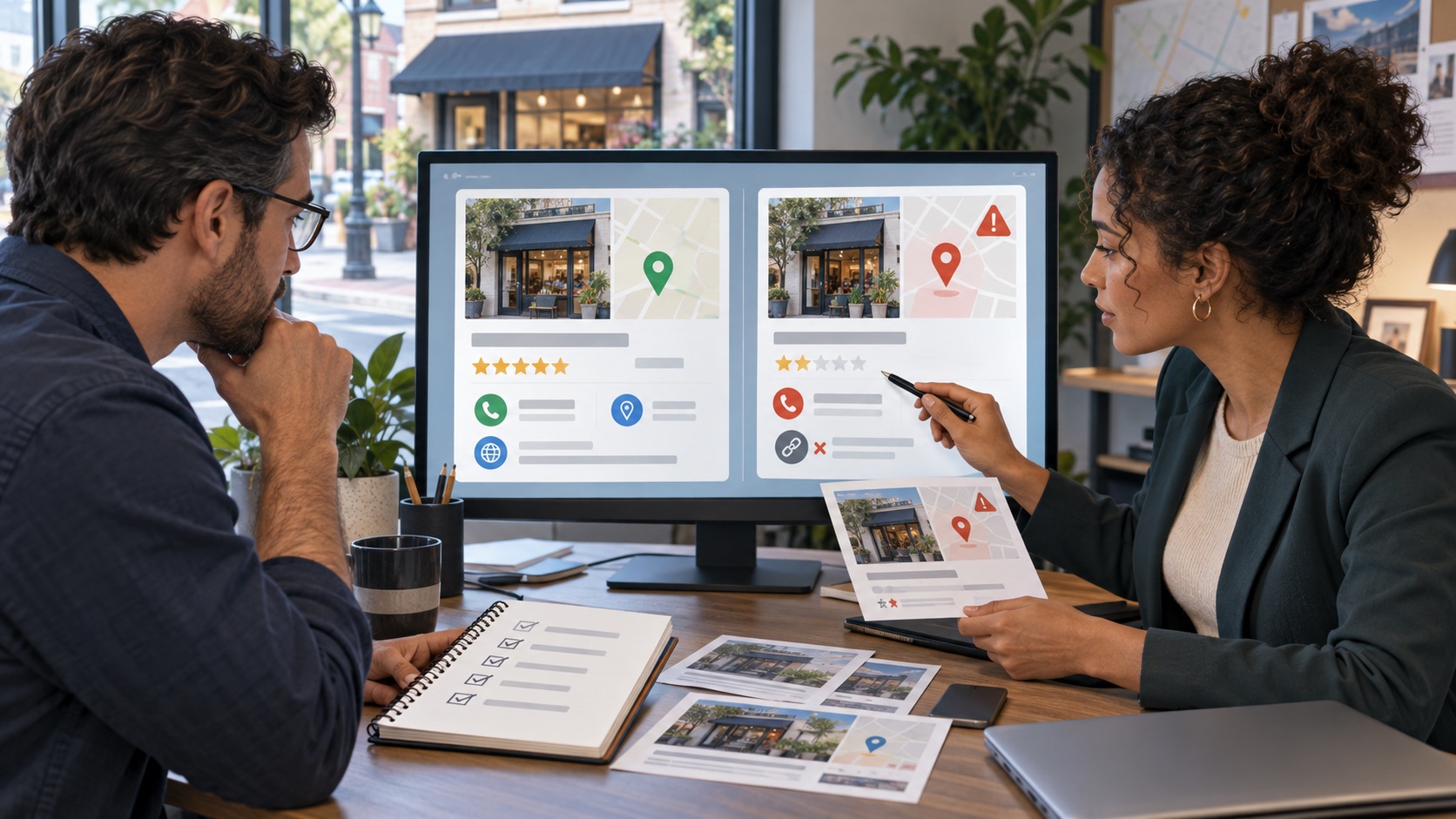
An Instagram account may impersonate a business by misleading people about who operates it or by requesting transactions under the business’s identity. Document the specific misleading conduct and distinguish it from criticism, an independent reseller or a clearly identified fan account. Report accurately through official Instagram support and protect customers through channels you control.
01
Build an identity comparison
Record the suspect profile link, handle, display name and relevant posts or messages. Identify your genuine website and social accounts and who is authorized to represent the business. Describe the confusion with concrete facts, such as a false payment request or a claim to be official support, rather than relying only on a similar name.
02
Use the appropriate official route
Open the profile’s reporting options or the current in-app support guidance and choose the route matching the conduct. Meta’s support information includes reporting impersonation and scams. If the issue is trademark use rather than a deceptive identity, assess the rights process separately with appropriate authority. Provide requested proof only through verified forms and avoid publishing sensitive ownership documents.
- Keep submitted evidence and case references organized.
- Identify distinct scam messages without forwarding active payment links broadly.
- Do not claim every critical account is an impersonator.
03
Help customers verify the business
For example, a fake account may offer discounts while requesting deposits to an unfamiliar destination. Publish a concise notice on the genuine website with verified contact and payment-checking guidance. Avoid sending customers to inspect the fake account themselves. Monitor known copies and update the warning when facts change, without promising a guaranteed removal date.
Frequently asked questions
Does owning the business name automatically remove similar accounts?
No. The account’s conduct, relevant rights and platform rules matter. Explain actual misleading representation and provide accurate evidence.
Should we message the impersonator to negotiate?
Avoid sharing credentials, paying for removal or giving additional sensitive information. Use official reporting and qualified support if threats, fraud losses or legal issues are involved.
Continue with your next step
Related guides on this topic
Sources and policies
Check the current policy before submitting a request.
You do not have to figure out the next step alone.
Share the URLs and explain your concern. We will review the context and explain which options are worth assessing.
Request a confidential reviewOr call (307) 429-2531Educational information, not legal advice. Outcomes depend on the facts and decisions made by third parties.